Travel Guide
The capital of the People's Republic of China, it is the national political center, cultural center, international exchange center, and technological innovation center. Beijing is a global city and a world leader in culture, diplomacy, politics, finance, commerce and economics, education, research, language, tourism, media, sports, science and technology, transportation and the arts. It is home to the headquarters of most of China's largest state-owned enterprises, has the most Fortune Global 500 companies in the world, and the four largest financial institutions in the world by total assets. Beijing has a rich history dating back more than three thousand years and is one of China's Four Great Ancient Capitals, serving as the nation's political center for most of the past eight centuries. It is known for its magnificent palaces, temples, parks, gardens, mausoleums, city walls and gates. Beijing is one of the most important tourist destinations in the world, with eight UNESCO World Heritage Sites including the Forbidden City, the Temple of Heaven, the Summer Palace, the Ming Tombs, the Peking Man Site at Zhoukoudian, the Central Axis of Beijing, and sections of the Great Wall and the Grand Canal.
Best Time to Visit
Spring and Autumn
Daily Budget
¥400-800 ($60-120) per day
Getting Around
Subway, Bus, Taxi, Ride-hailing, Shared bicycle, Beijing Capital International Airport, Beijing Daxing International Airport
Suggested Stay
3-7 days
Must-Visit Attractions

National Museum of China
The National Museum of China is an art and history museum located on the east side of Tiananmen Square in Beijing. It has a total construction area of approximately 200,000 square meters, houses over 1.4 million artifacts, and has 48 exhibition halls. It is the largest museum in the world in terms of single building area and the museum with the richest collection of Chinese cultural relics. It is a first-level public institution funded by the Ministry of Culture and Tourism. The museum's permanent exhibition, "The Road to Rejuvenation," showcases China's modern history since the First Opium War, focusing on the history of the Chinese Communist Revolution and the founding of the People's Republic of China. After visiting the exhibition, Xi Jinping elaborated on the political concept of the Chinese Dream in November 2012, declaring that "the great rejuvenation of the Chinese nation is the greatest dream of the Chinese nation in modern times." The museum's collection covers Chinese history from the Yuanmou Man of 1.7 million years ago to the end of the Qing Dynasty (the last feudal dynasty in Chinese history), with 1.05 million permanent collections, many of which are precious and rare cultural relics that are difficult to find in other museums in China and the world. The most important collections include the Shang Dynasty's Houmuwu Ding (the world's heaviest ancient bronze ware, weighing 832.84 kg), the Shang Dynasty's Four Sheep Square Zun, the Western Zhou Dynasty bronze water plate, the Qin Dynasty tiger tally, the Han Dynasty jade burial suit, and a comprehensive collection of Tang Dynasty tri-color pottery and Song Dynasty ceramics. The museum also has an important collection of coins, including 15,000 coins donated by Luo Bozhao.
Tsinghua University
Tsinghua University is a renowned institution of higher education in China, located in Haidian District, Beijing. Its predecessor, Tsinghua Academy, was founded in 1911. It is one of the most outstanding universities in China and even Asia. The university is a national key university directly under the Ministry of Education of the People's Republic of China, and is among the universities included in the national "211 Project", "985 Project", and "Double First-Class" initiative. It is a member of the C9 League. The campus is located on the site of former Qing Dynasty royal gardens, boasting a beautiful environment and numerous historical buildings. It is an academic palace that blends traditional garden style with a modern atmosphere. The university has 21 colleges and 59 departments, covering a wide range of disciplines including science, engineering, humanities, law, medicine, history, philosophy, economics, management, education, and art. Since its establishment, Tsinghua University has adhered to its motto of "Self-Improvement and Social Commitment", cultivating numerous outstanding talents for the nation in scientific, engineering, political, business, and academic fields.
Palace Museum
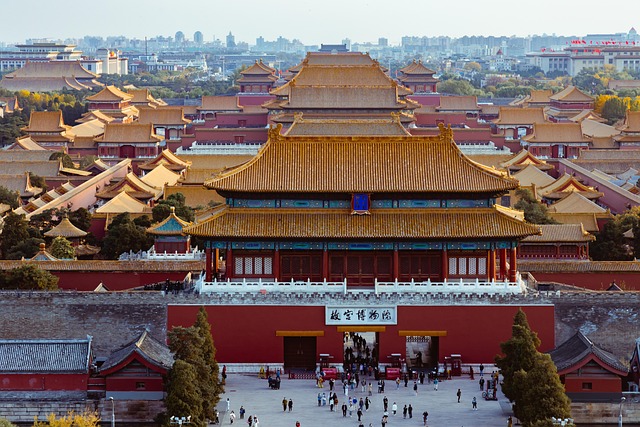
The Palace Museum, also known as the Forbidden City in Beijing, is a large national comprehensive museum located within the Forbidden City in the core area of Beijing, China. It covers an area of 720,000 square meters. The museum inherited the royal palaces of the Ming and Qing dynasties in China and opened to the public in 1925. It consists of 980 buildings and houses more than 1.8 million works of art, mainly from the royal collections of the Ming and Qing dynasties. It is the most visited museum in the world.
Summer Palace
The Summer Palace, the royal garden of the Qing Dynasty in China, formerly known as Qingyi Garden, is located in the western suburbs of Beijing, 15 kilometers away from the city. It is the largest and most well-preserved royal garden in China. It is modeled after the West Lake in Hangzhou, absorbing some design techniques and artistic conceptions of Jiangnan gardens, while retaining the grandeur of the northern royal gardens. The Summer Palace concentrates the essence of Chinese garden art and is evaluated by UNESCO as a "masterpiece of Chinese landscape garden design" and was listed as a World Heritage Site in 1998.
Fragrant Hills Park
Fragrant Hills Park, also known as Jingyi Garden, is located at the foot of the Western Hills in Haidian District, Beijing. It is a large mountain forest park with royal garden characteristics. The park covers an area of 160 hectares and is known for its natural pine and cypress forests, maple trees, smoke trees, and persimmon trees covered hills, as well as traditional buildings and cultural relics. Its name comes from Incense Burner Peak, a 557-meter-high mountain peak with two huge rocks resembling incense burners at the top. The park was first built in the Jin Dynasty in 1186 and expanded during the Yuan and Ming Dynasties. In 1745, Emperor Qianlong ordered the construction of many halls, pavilions, and gardens, and named it "Jingyi Garden". Fragrant Hills Park is most famous for its red leaves all over the mountains in autumn, attracting thousands of tourists every year to take the cable car to enjoy the autumn scenery.
Temple of Heaven Park
The Temple of Heaven Park is a royal sacrificial building complex located in the southeast of Beijing. It was first built during the Yongle period of the Ming Dynasty and was used by emperors of the Ming and Qing Dynasties to worship heaven and pray for good harvests. In 1998, it was listed as a World Cultural Heritage Site by UNESCO and is praised as a "masterpiece of architecture and landscape design, vividly interpreting the cosmology of great significance to the development of important civilizations in the world." Its symbolic layout and design have had a profound impact on the architecture and planning of the Far East. The park covers an area of 2.73 square kilometers, and its main buildings include the Hall of Prayer for Good Harvests, the Imperial Vault of Heaven, and the Circular Mound Altar. All buildings are built in accordance with strict philosophical requirements and are a testimony to the long history and culture of the Chinese nation and an important carrier.
Must-Try Local Food
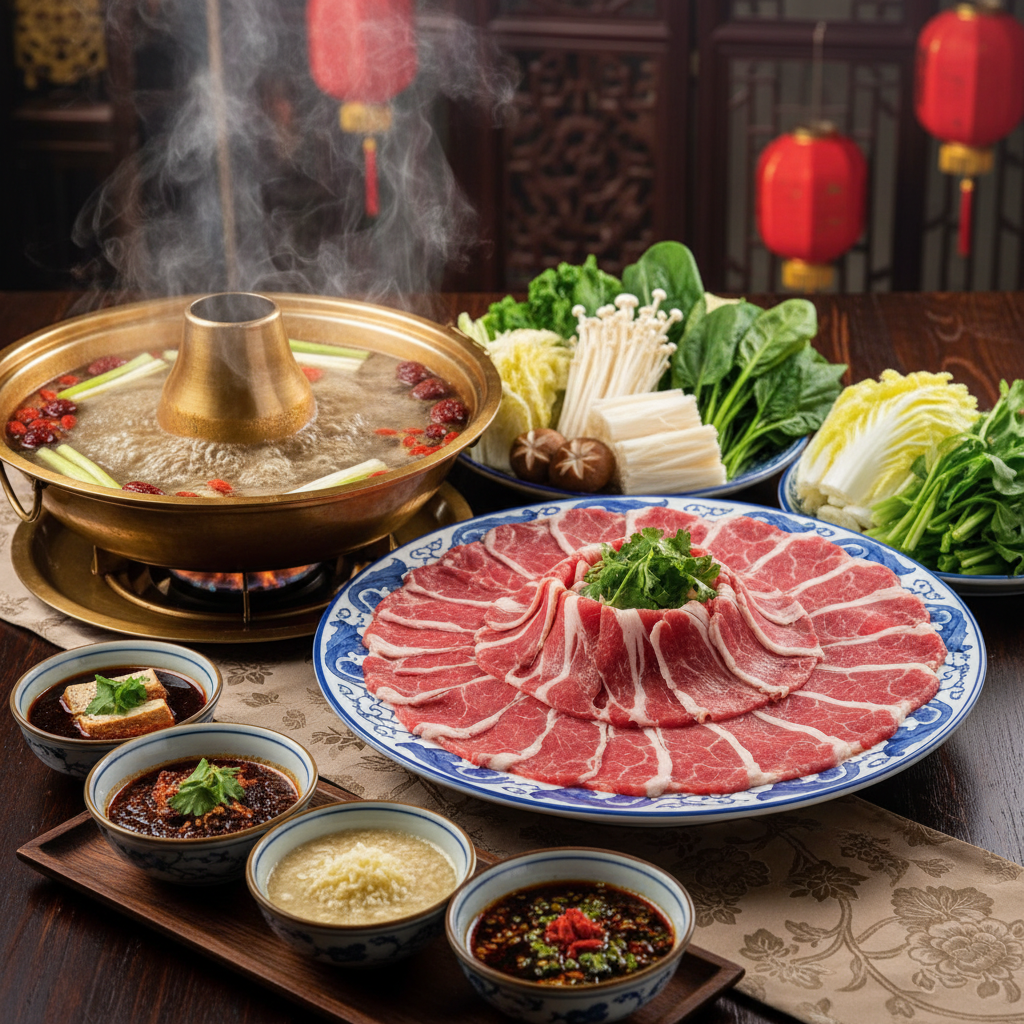
Shuan Yang Rou
Shuan Yang Rou is a Chinese hot pot dish originating from Beijing, particularly popular in cold winters, but now available year-round. Its characteristic feature is thinly sliced lamb quickly cooked in boiling clear broth, then dipped in a special sauce.
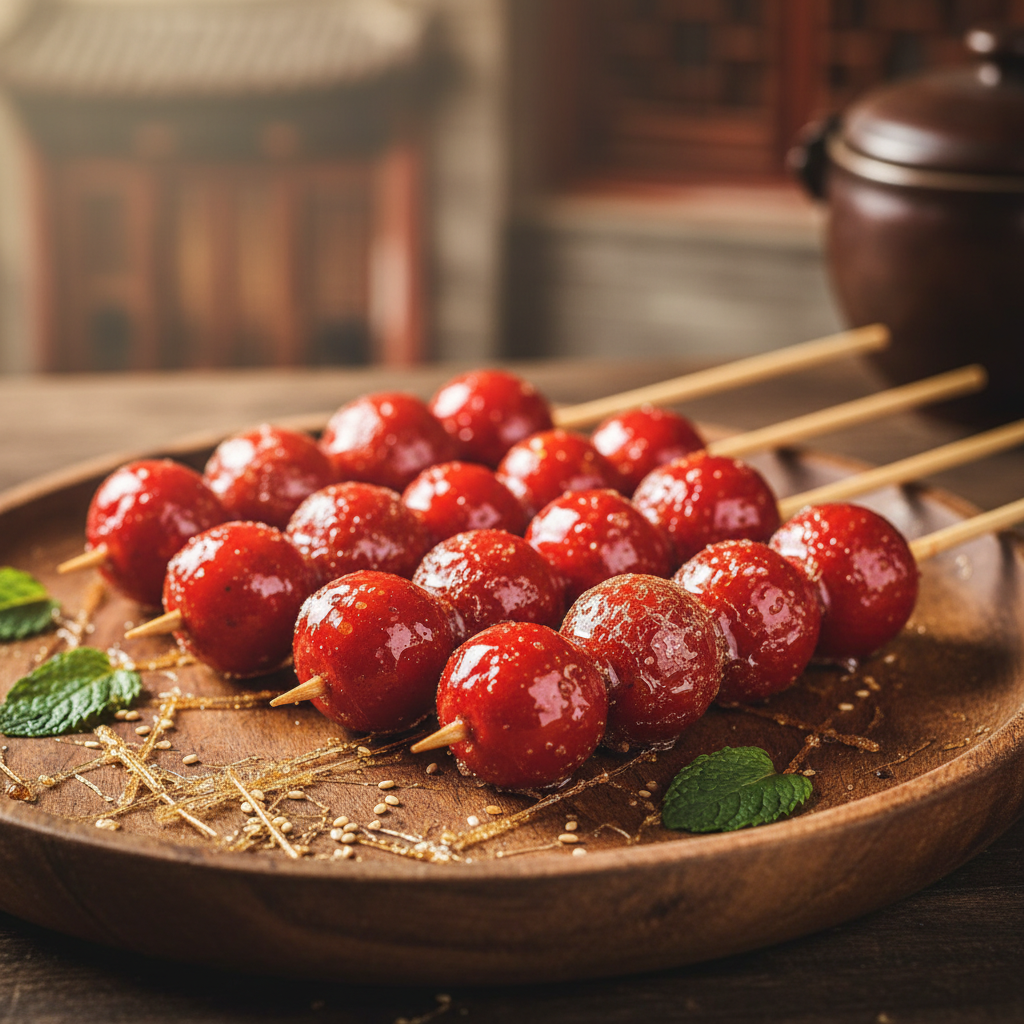
Tanghulu
A traditional Chinese snack made of several hawthorn fruits (or other fruits) coated in malt syrup and skewered on a bamboo stick. It is typically made by skewering hawthorn fruits and then dipping them in heated syrup, which hardens at low temperatures. It is named for its gourd-like shape.
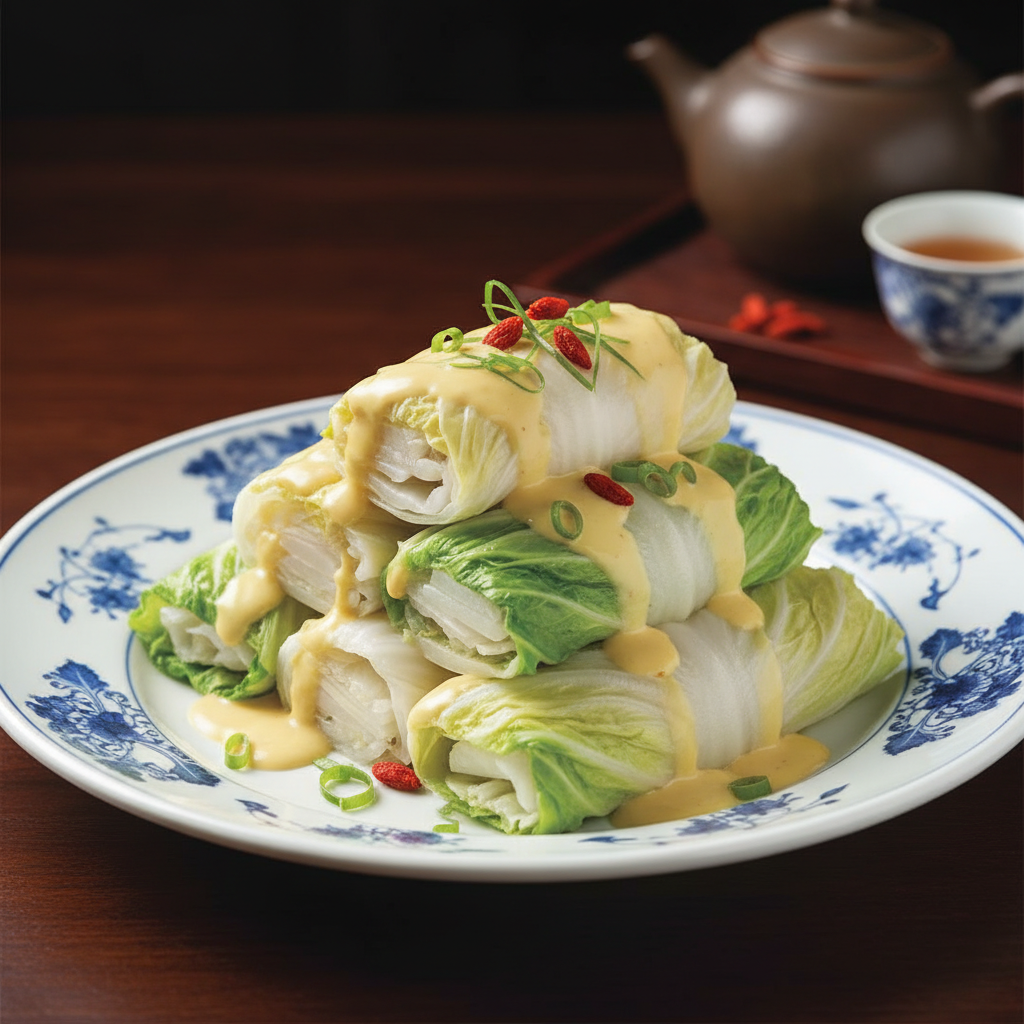
Jiemodun
Jiemodun is a traditional Beijing-style snack, typically prepared and consumed in winter. It is made primarily from napa cabbage, blanched, pickled, and then mixed with mustard and other seasonings, resulting in a refreshing taste with the pungent kick of mustard.
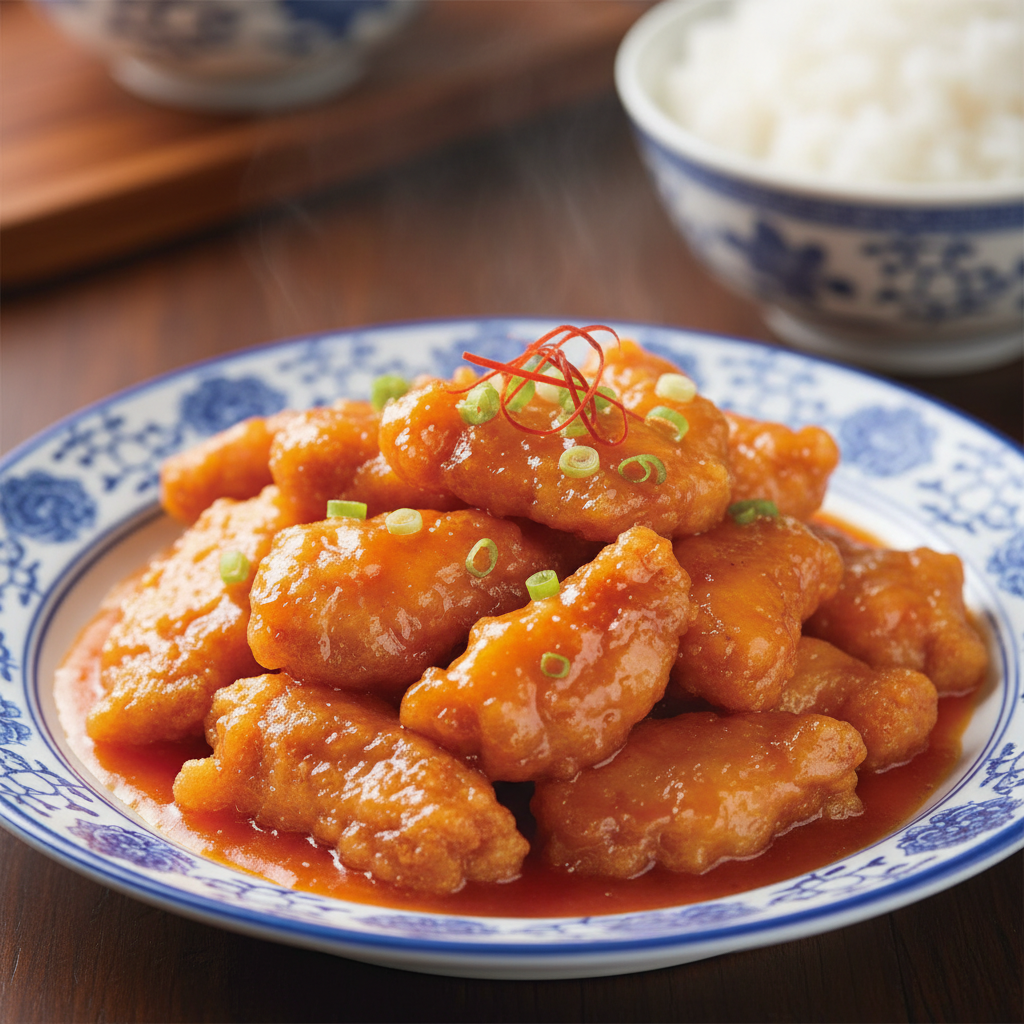
Sweet and Sour Pork Tenderloin
Sweet and Sour Pork Tenderloin is a classic Chinese dish, typically made from thinly sliced pork tenderloin coated in a starch batter, deep-fried twice until crispy, and then drizzled with or tossed in a special sweet and sour sauce. It has a crispy texture and a balanced sweet and sour taste.
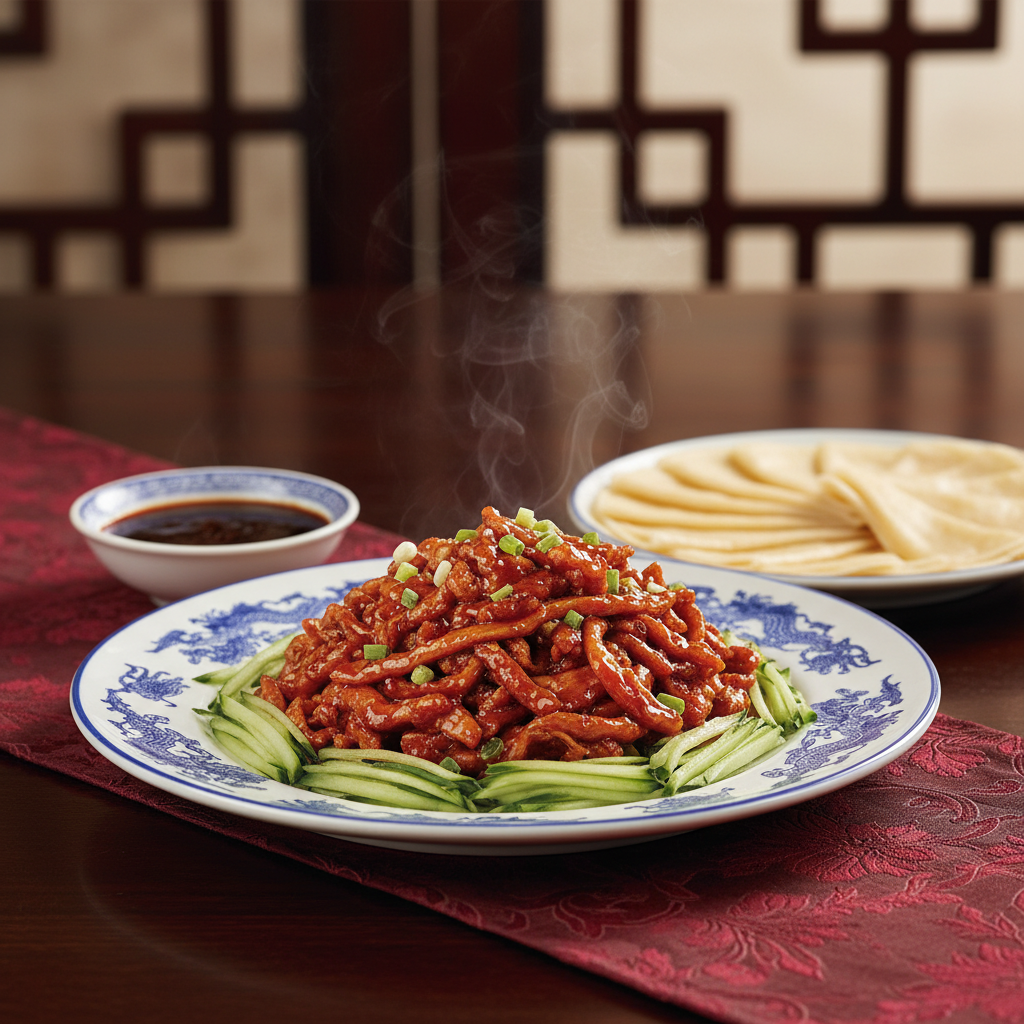
Jing Jiang Rou Si
Jing Jiang Rou Si, also known as Shredded Pork with Sweet Bean Paste, is a traditional Beijing famous dish. Its main ingredient is pork loin, stir-fried and seasoned with soy sauce or sweet bean paste. This dish is usually served with shredded green onion whites and tofu skin, using the tofu skin to wrap the shredded pork and green onion, or it can be served with thin pancakes. Some recipes may use hoisin sauce.
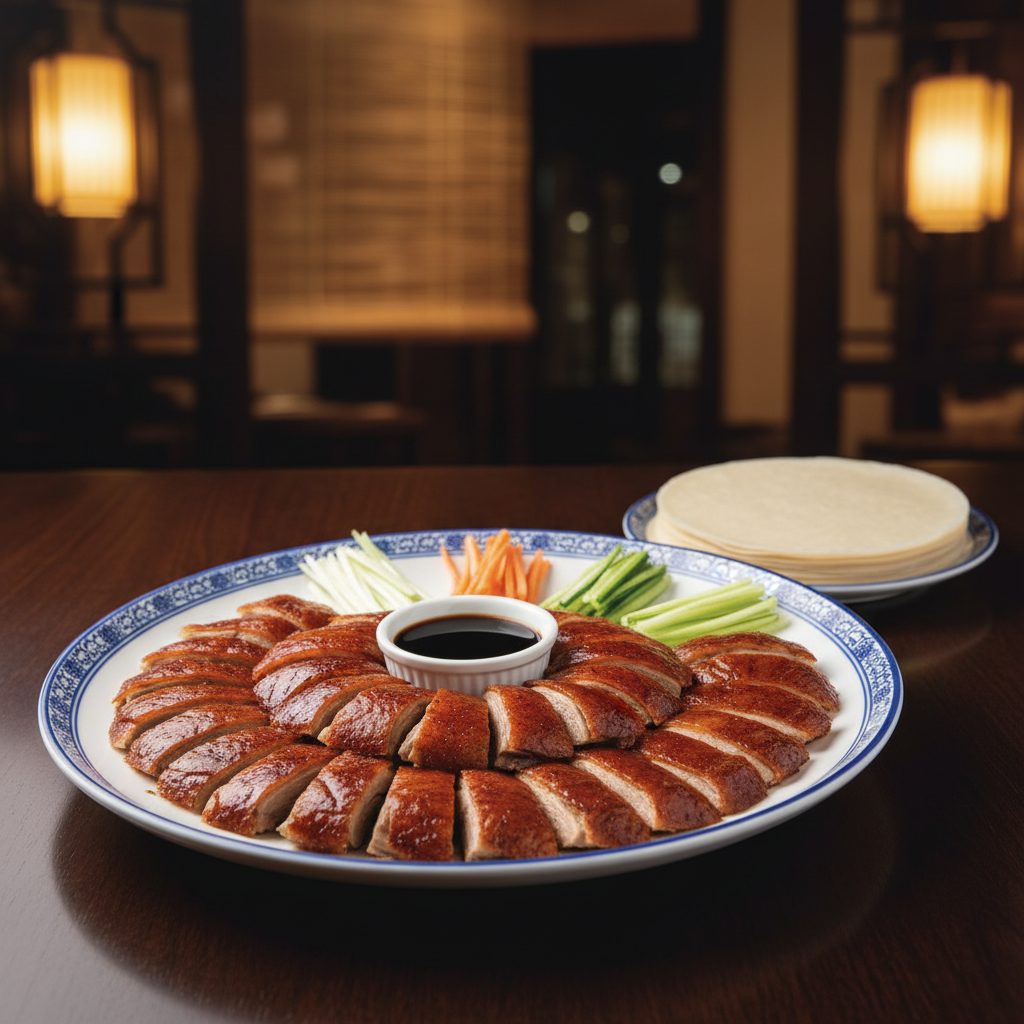
Peking Duck
Peking Duck is a dish originating from Beijing, with a history dating back to the Ming Dynasty. This dish is characterized by tender meat and thin, crispy skin. The authentic method involves the chef carving most of the duck skin and a small amount of meat slices in front of the diners.