Travel Guide
Shanghai is a municipality directly under the central government of China and also the most populous urban area. The city is located on the southern estuary of the Yangtze River on China's coast, with the Huangpu River flowing through it. As of 2023, the city center has a population of approximately 24.87 million, ranking second in the world, while the urban area has a population of 29.87 million, making it the most populous urban area in China. As of 2022, the Greater Shanghai metropolitan area had a nominal GDP of nearly 13 trillion RMB (1.9 trillion USD). Shanghai is one of the world's major financial, commercial and economic, scientific research, technological, manufacturing, transportation, tourism and cultural centers. The Port of Shanghai is the busiest container port in the world.
Best Time to Visit
Spring and Autumn
Daily Budget
¥400-800 ($60-120) per day
Getting Around
Subway, Bus, Taxi, Ride-hailing, Ferry
Suggested Stay
3-5 days
Must-Visit Attractions
Shanghai Tower
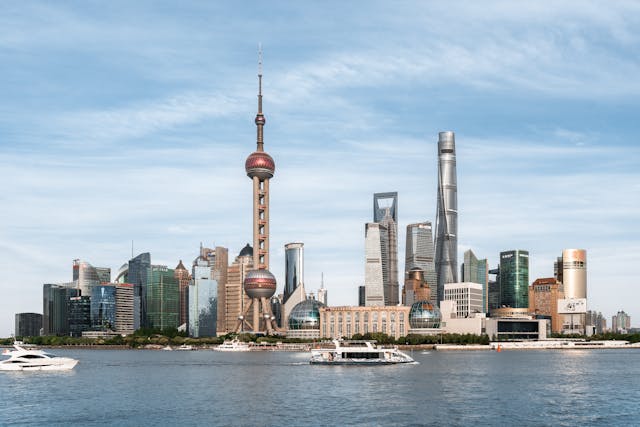
Shanghai Tower is a 128-story, 632-meter (2,073 ft) megatall skyscraper in Lujiazui, Pudong, Shanghai. It is the tallest building in China and the third-tallest in the world. Since 2015, it has been the world's tallest and largest LEED Platinum-certified building. It boasts the world's fastest elevators, reaching a top speed of 20.5 meters per second (74 km/h; 46 mph). Designed by international design firm Gensler and owned by the Shanghai Municipal Government, the building is the tallest of the first three adjacent super-tall buildings in Pudong, the other two being the Jin Mao Tower and the Shanghai World Financial Center. Its tiered design is intended to improve energy efficiency, providing nine separate zones for office, retail, and leisure use. The Council on Tall Buildings and Urban Habitat has called it "one of the most sustainable tall buildings in the world."
Peace Hotel
The Peace Hotel is a hotel in Shanghai, China, located on the Bund, overlooking the surrounding area. The hotel consists of two different buildings. The North Building, namely Sassoon House, was originally the Cathay Hotel and is now the Fairmont Peace Hotel under Fairmont Hotels and Resorts. The South Building was originally the Palace Hotel and is now an artist studio and residence called the Swatch Art Peace Hotel. Both buildings face the Bund but are separated by Nanjing Road. The Peace Hotel North Building was the first high-rise building built by Victor Sassoon and one of the earliest skyscrapers in the Eastern Hemisphere. Sassoon bought an entire block in a prominent location on the Bund before building it. When completed, Sassoon House was fifty feet taller than the second tallest building on the Bund. It was designed by Palmer and Turner Architects and has a reinforced concrete structure. Construction began in 1926 and was completed in 1929. The Cathay Hotel had high standards of luxury and modern facilities, such as indoor plumbing, which made it more popular than other nearby hotels such as the Majestic Hotel owned by the Kadoorie family and the Astor House Hotel. The Cathay Hotel had a floor of rooms called "National Suites", each decorated in a different exotic style. According to writer Jonathan Kaufman, the Japanese suite had tatami mats, the Indian suite had Indian rugs and cushions, and the Chinese suite had Chinese furniture and ceramics. The building covers an area of 4,617 square meters and provides 36,317 square meters of building area. The building is ten stories high, with the tenth floor being a penthouse where Victor Sassoon once lived. The North Building is 77 meters high to the roof line and 83 meters high to the spire. The architects followed a consistent Art Deco style, from the exterior design to the interior decoration. Most of the building is finished with granite, while the ninth floor and roof are finished with terracotta. The east facade (facing the Huangpu River and the Bund) has a steep conical roof about 10 meters high. The pyramid-shaped roof is covered with copper, which has now corroded to a light green color. Before 1949, banks and shops leased the ground floor space. This space became the Shanghai branch of Citibank in 2002. The fourth to ninth floors were once the Cathay Hotel. After liberation in 1949, some offices were used by the Municipal Finance Committee. In 1952, the building was taken over by the municipal government. In 1956, it became a hotel again, named "Peace Hotel". During the Cultural Revolution, the hotel was used by the Gang of Four, most notably Zhang Chunqiao, who set up the headquarters of the Shanghai Commune here. The hotel's old jazz band recently became the basis for the film "As Time Goes By", directed by Uli Gaulke. Its rooftop terrace restaurant overlooks the Pudong New Area across the Huangpu River. This hotel also became the inspiration for Vicki Baum's 1937 novel "Shanghai '37", which was also known as "Hotel Shanghai" and "Nanjing Road". In 2007, the hotel closed for a three-year renovation inside and out, including guest rooms, the lobby, and dining and entertainment venues. The North Building reopened in 2010 and was renamed the Fairmont Peace Hotel Shanghai. The hotel now offers 270 rooms.
Shanghai Disneyland Park
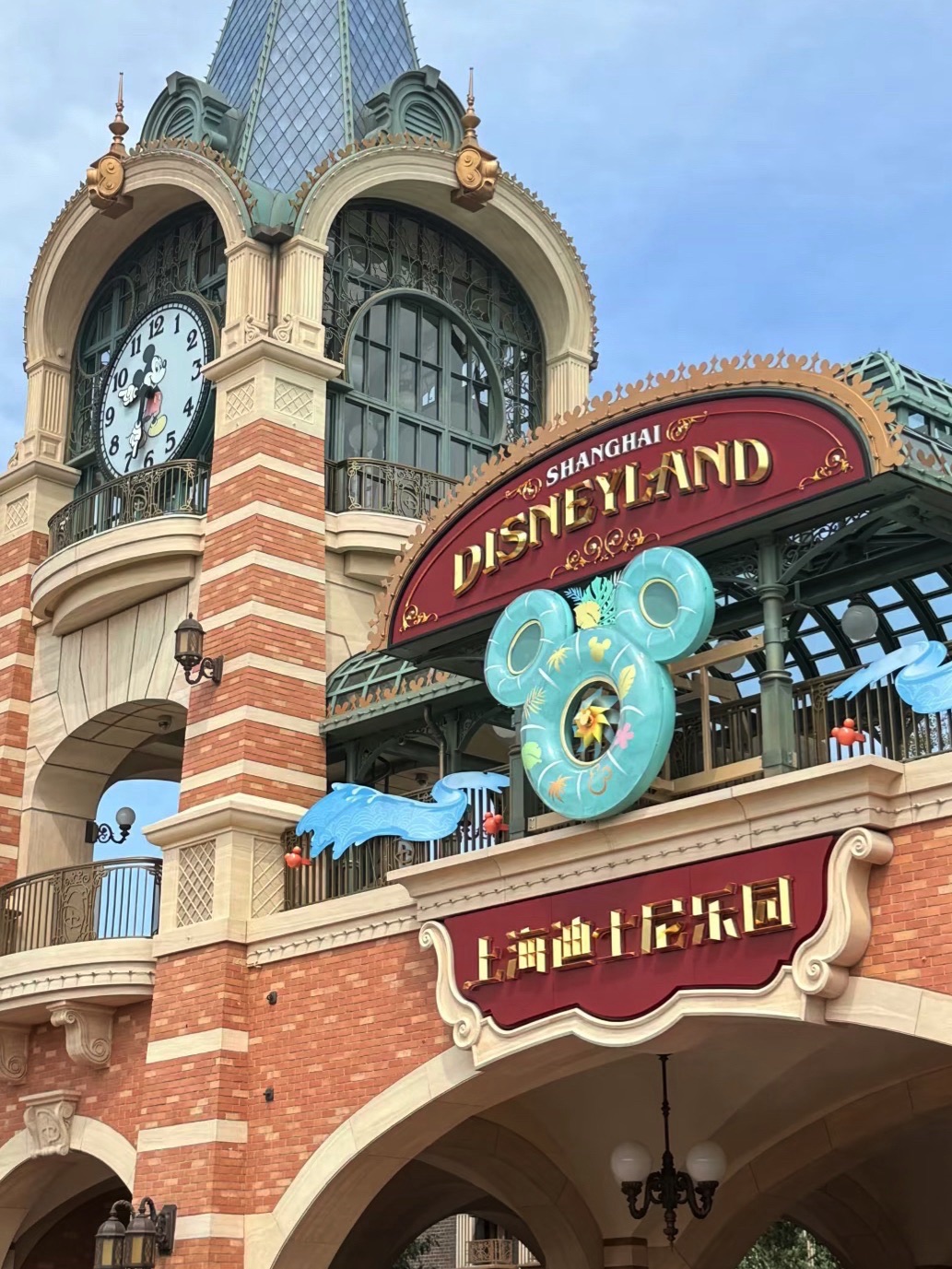
Shanghai Disneyland Park is located in Chuansha New Town, Pudong New Area, Shanghai, China, and is part of the Shanghai Disney Resort. The park is operated by Disney Experiences and Shanghai Shendi Group through a joint venture between The Walt Disney Company and Shendi. Construction of the park began on April 8, 2011, and it officially opened on June 16, 2016. The park covers an area of 3.9 square kilometers (1.5 square miles) and cost 24.5 billion RMB, with Shendi Group holding 57% of the shares and Disney holding the remaining 43%. Currently, the park has eight themed areas: Mickey Avenue, Gardens of Imagination, Fantasyland, Treasure Cove, Adventure Isle, Tomorrowland, Toy Story Land, and Zootopia. In 2023, the park received 14 million visitors, making it the fifth largest theme park in the world.
Oriental Pearl Radio & Television Tower
The Oriental Pearl Radio & Television Tower is located in Lujiazui, Pudong, Shanghai. It is 468 meters high and is one of Shanghai's iconic landmarks. It was once the tallest independent structure in China, and its unique design was inspired by the Tang Dynasty poet Bai Juyi's "Pipa Song". The tower has multiple sightseeing floors, a revolving restaurant, the Shanghai City History Development Exhibition Hall, a high-altitude VR roller coaster, and a space hotel, making it a famous tourist attraction integrating sightseeing, dining, shopping, entertainment, and accommodation.
The Bund
The Bund is a waterfront area and a protected historical district in central Shanghai. The area centers on a section of Zhongshan Road (East Zhongshan No. 1 Road) within the former Shanghai International Settlement, along the west bank of the Huangpu River in the eastern part of Huangpu District. The riverside area faces the modern skyscrapers of Lujiazui in Pudong. The Bund usually refers to the buildings and docks on this section of the road, as well as some adjacent areas. This area has a significant European influence, and many buildings are styled in a way that is most similar to the architectural styles of European cities, especially Gothic, Baroque, Neoclassical, Romanesque, Art Deco, and Renaissance. In addition, some of Shanghai's top restaurants are also located there. From the 1860s to the 1930s, it was the wealthy and powerful center of foreign institutions in Shanghai, operating as a treaty port protected by law.
Memorial Hall of the Site of the First National Congress of the Communist Party of China
The Memorial Hall of the Site of the First National Congress of the Communist Party of China is located at 374 Huangpi South Road, Shanghai, and is the birthplace of the Communist Party of China. From July 23 to early August 1921, the First National Congress of the Communist Party of China was secretly held here, announcing the establishment of the Communist Party of China. The memorial hall preserves the historical buildings of the site of the First National Congress of the Communist Party of China, and through rich exhibitions, it shows the history of the founding of the Communist Party of China, the course of struggle, and the important role of Shanghai as the birthplace of the Party. This is an important red tourism attraction and patriotic education base.
Must-Try Local Food
Stir-fried River Shrimp
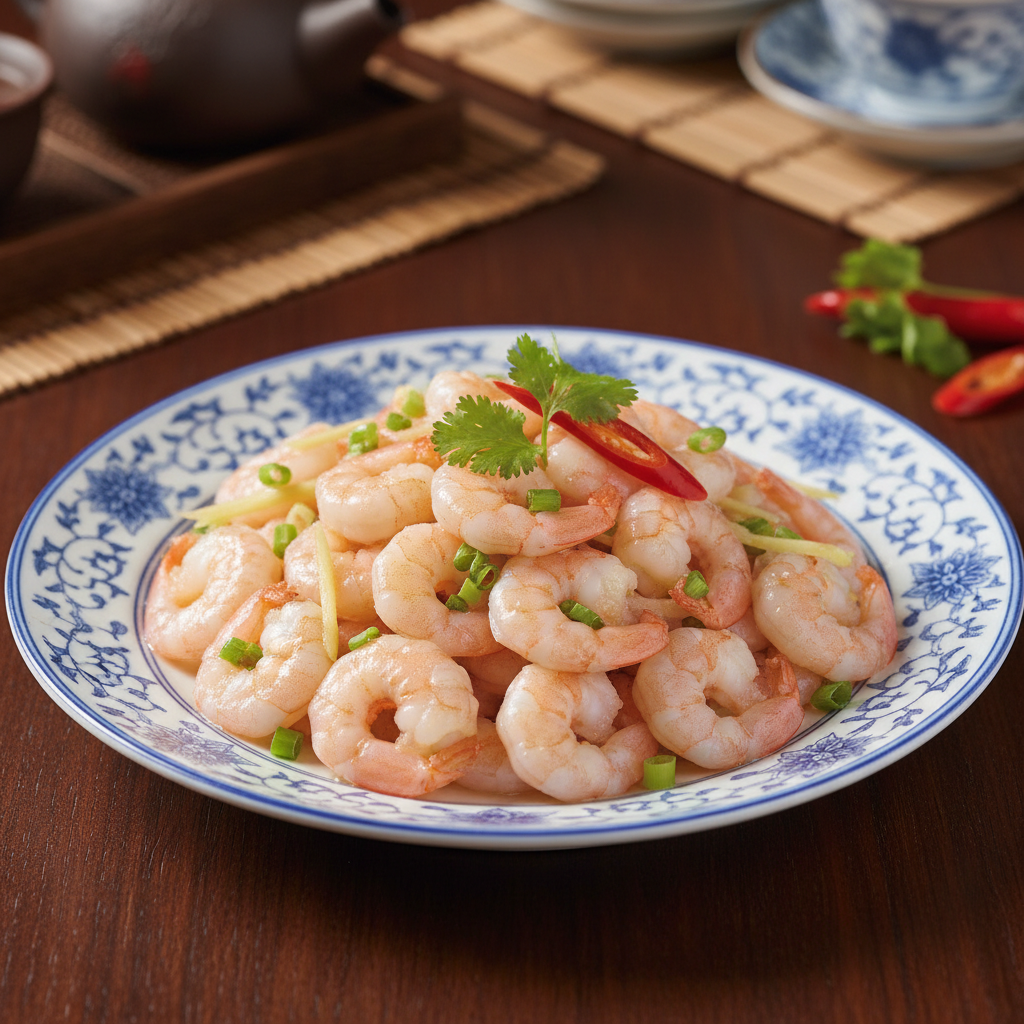
Stir-fried River Shrimp is a home-style dish made primarily with fresh river shrimp, simply stir-fried.
Tiaotougao
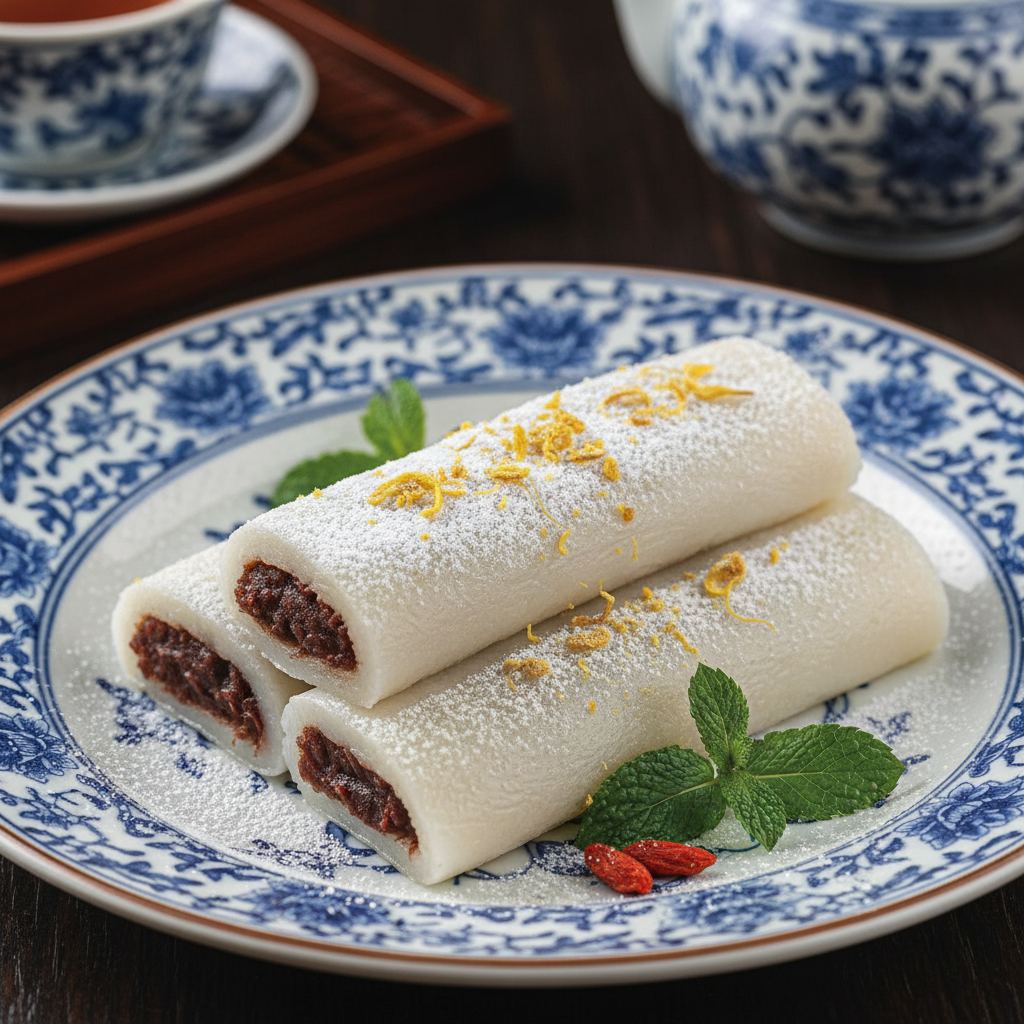
A traditional pastry from the Jiangnan region, primarily made from glutinous rice and shaped into long strips.
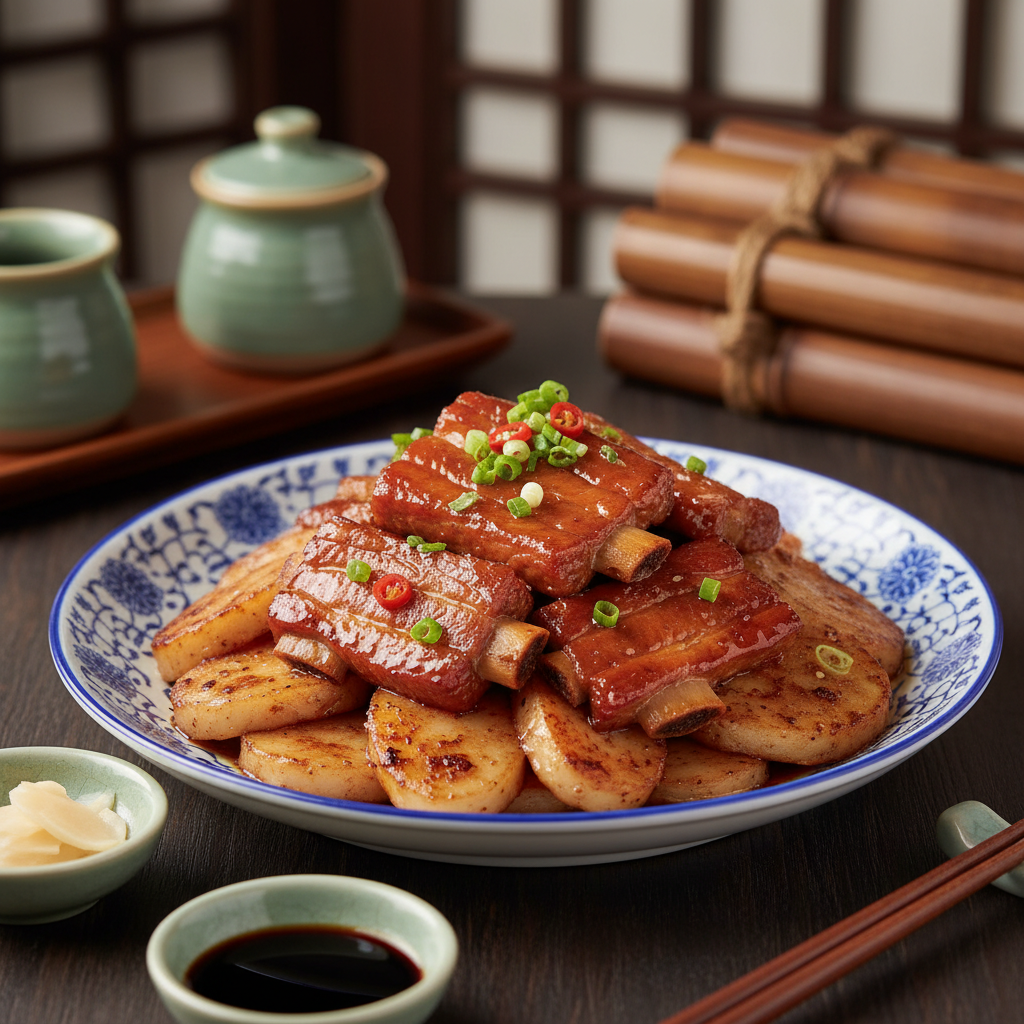
Pork Ribs with Rice Cakes
Pork Ribs with Rice Cakes is a specialty snack from Shanghai, featuring crispy golden fried pork ribs cooked together with soft and chewy rice cakes.
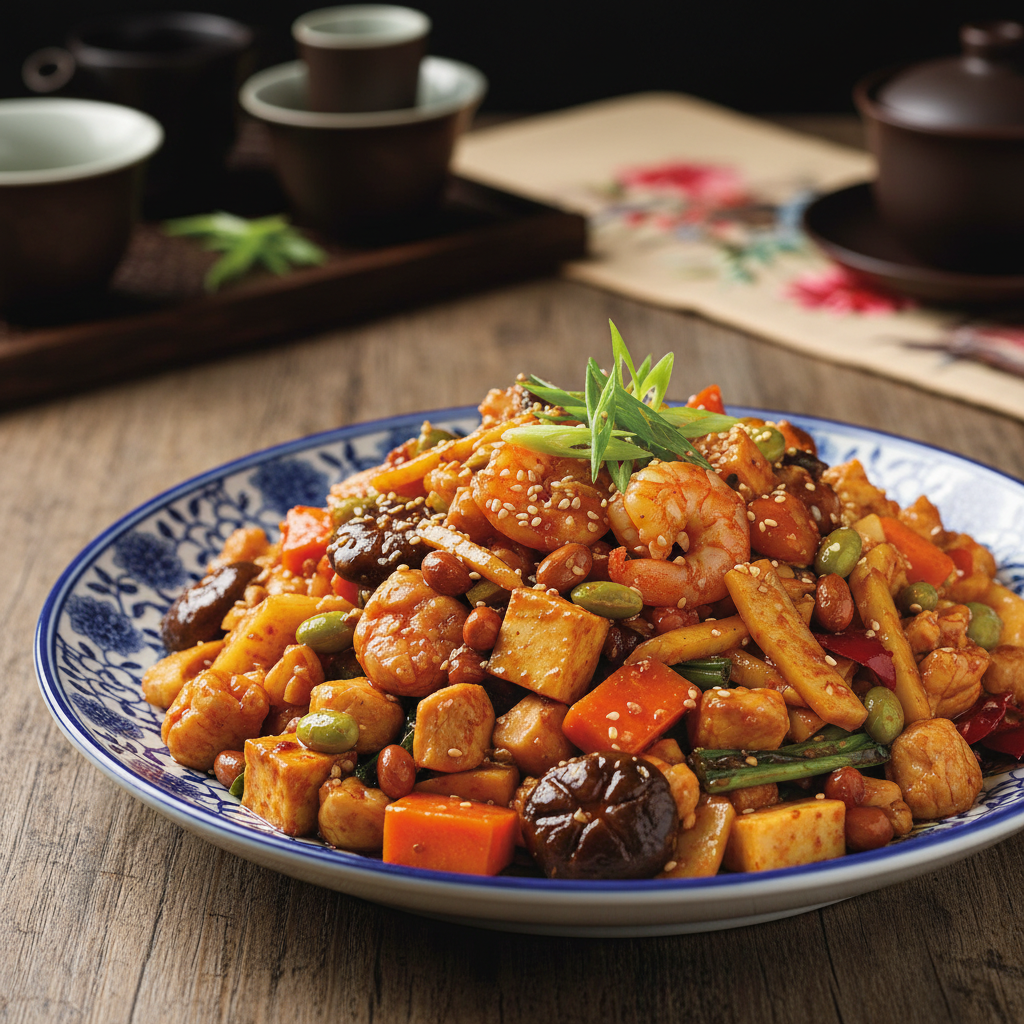
Babao Lajiao
Babao Lajiao (Eight-Treasure Spicy Sauce) is a famous Shanghai local dish, known for its rich ingredients and unique fresh and spicy flavor. It typically consists of diced ingredients, eight or more, including diced chicken, diced pork, diced pork belly, shrimp, peanuts, diced winter bamboo shoots, diced shiitake mushrooms, diced dried tofu, etc., stir-fried with various sauces such as sweet bean paste, doubanjiang (broad bean paste), and chili sauce.
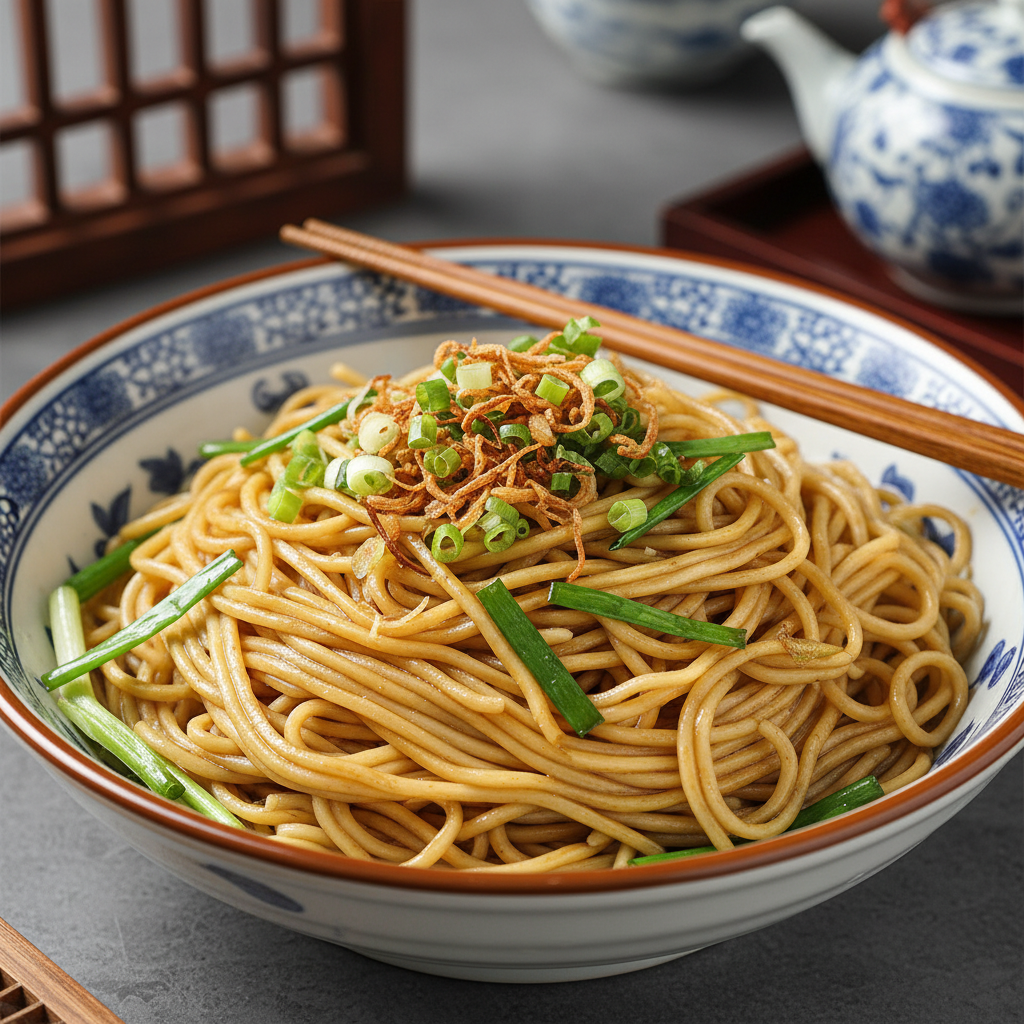
Scallion Oil Noodles
A classic Shanghainese local noodle dish, made with cooked thin noodles tossed with fragrant scallion oil and a special sauce. Simple to prepare, yet deeply loved for its unique scallion oil aroma.
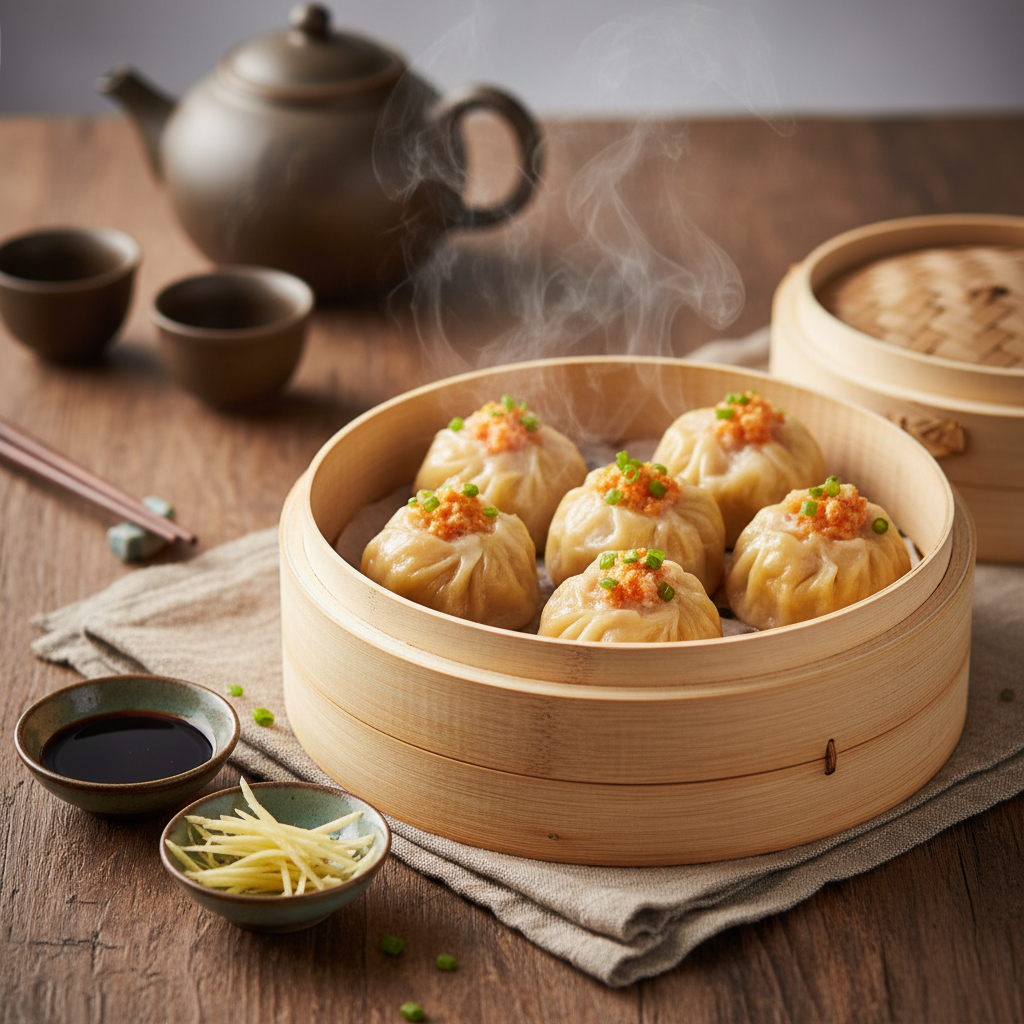
Crab Roe Xiaolongbao
A famous Jiangnan dim sum, known for its paper-thin skin, delicious crab roe and pork filling, and rich broth contained within. Often served as breakfast, lunch, or a snack.